Henrik Keller · 5 September 2026
How Specialized Platforms Refine Content Distribution Patterns for Sustained Online Presence in Fragmented Markets
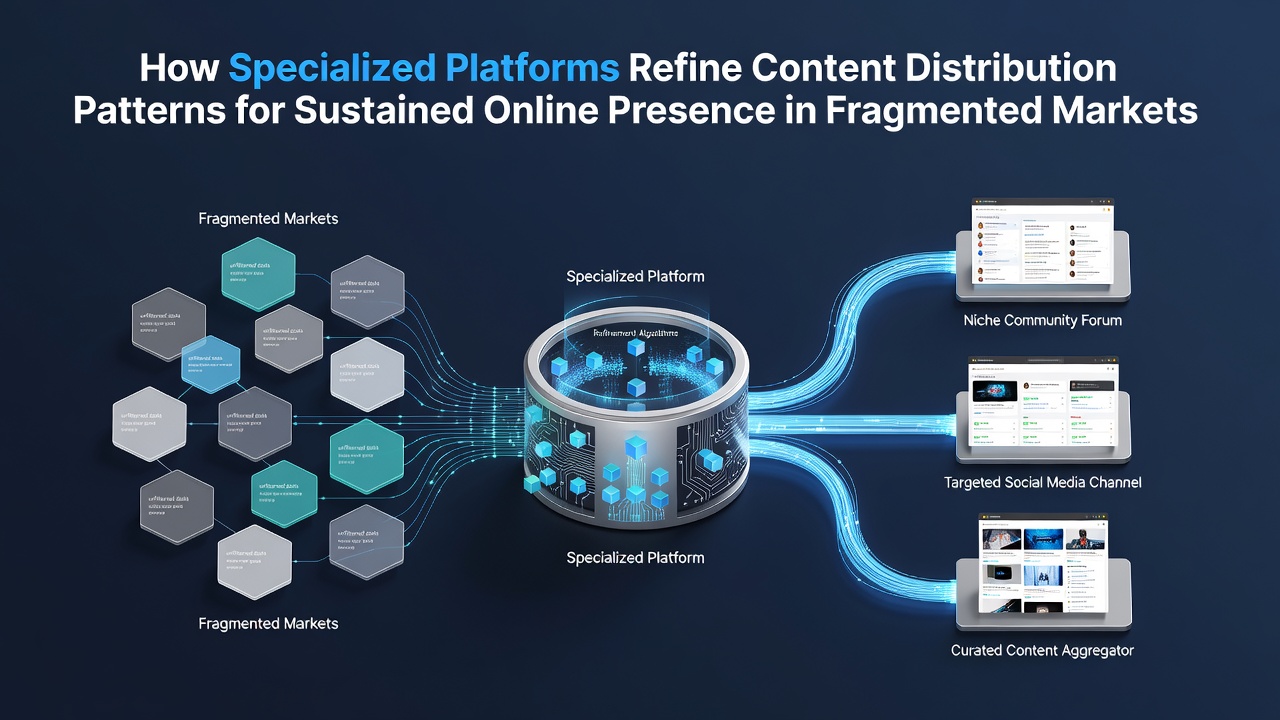
Specialized platforms now shape how content reaches audiences by analyzing user behaviors across multiple channels and adjusting delivery in real time, and this approach helps maintain visibility even when markets split into smaller, harder-to-reach segments. Observers note that these systems rely on data from engagement metrics, regional preferences, and platform-specific algorithms to reroute material toward active user clusters rather than broad broadcasts.
Fragmented Markets and Their Impact on Reach
Digital audiences have split across numerous networks, apps, and regional services, which means a single post often fails to connect with everyone it targets, so platforms collect signals from each environment to rebuild pathways that keep material circulating. Data from the European Commission shows that digital market fragmentation increased between 2023 and 2025, with users dividing attention among at least six major services on average, and this pattern forces distributors to maintain separate optimization rules for each channel.
Yet the same fragmentation creates opportunities for platforms that can map overlaps between communities, and those overlaps allow content to travel through secondary shares or algorithmic recommendations without requiring constant manual intervention. Researchers at the OECD have tracked how niche platforms in Europe and Asia use cross-posting logic to extend lifespan of individual pieces, sometimes stretching initial engagement windows by several weeks.
Mechanics Behind Pattern Refinement
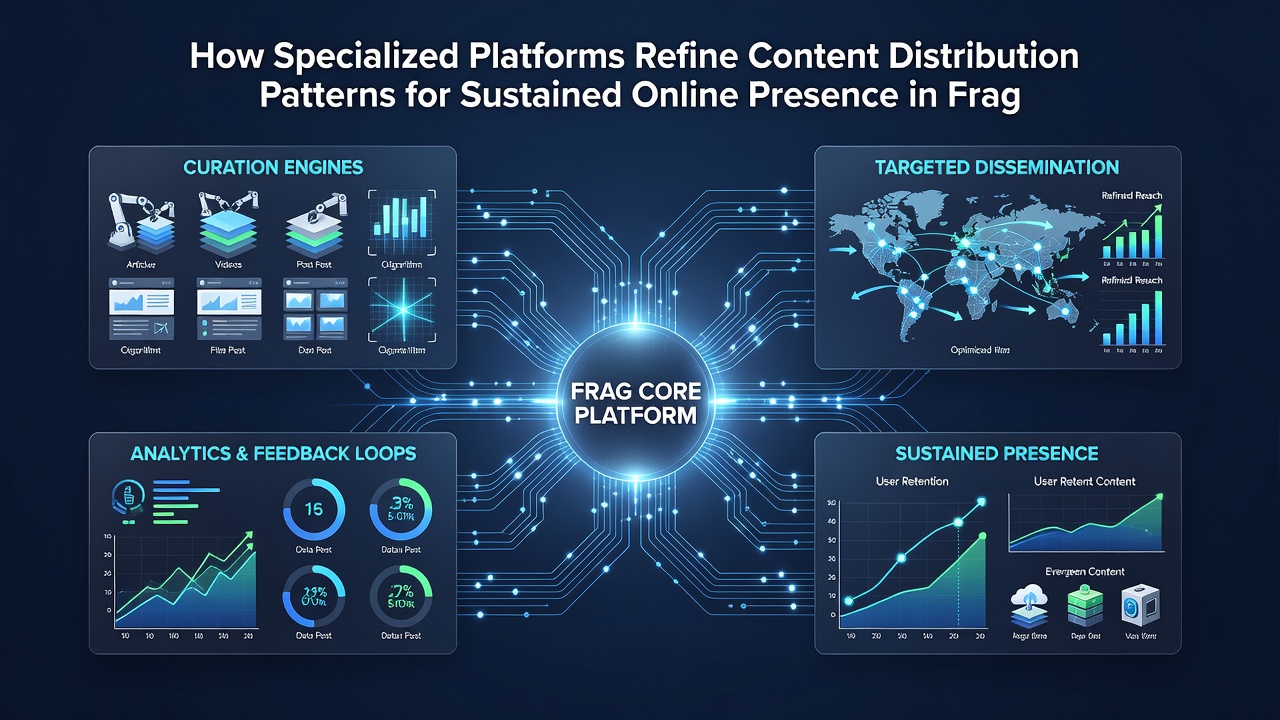
Specialized platforms first segment audiences by combining demographic data with behavioral logs, then test small batches of content in each segment before scaling successful variants, and this staged rollout reduces waste while revealing which formats hold attention longest. The process repeats daily, with adjustments triggered by drops in completion rates or shifts in referral sources, so the overall distribution pattern stays aligned with current platform conditions rather than outdated assumptions.
One study from the University of Melbourne examined how Australian media outlets adopted these tools in 2024, and it found that refined scheduling based on real-time segment feedback lifted sustained reach by measurable margins compared with static calendars. Platforms also incorporate regulatory signals, such as upcoming transparency requirements under the EU Digital Services Act that take full effect before September 2026, prompting preemptive changes in how visibility data gets logged and shared with creators.
Sustaining Presence Through Adaptive Loops
Long-term visibility depends on continuous feedback loops that detect when a channel loses relevance and automatically redirect resources elsewhere, and this prevents the common drop-off that occurs when audiences migrate to newer services. Platforms achieve this by maintaining historical performance baselines for each content type, then comparing live results against those baselines to trigger redistribution decisions within hours rather than days.
Figures from the Australian Competition and Consumer Commission indicate that markets with high platform turnover saw faster adoption of these adaptive systems, because manual redistribution could no longer keep pace with audience movement. Content that once relied on single-platform virality now travels through coordinated sequences, where an initial push on one network feeds into targeted amplification on others based on early interaction data.
Regional Variations in Platform Strategies
Platforms operating in North America tend to emphasize granular A/B testing across short-form video services, whereas those focused on Southeast Asian markets integrate more heavily with messaging-app ecosystems that dominate local sharing, and both approaches ultimately feed the same goal of maintaining steady exposure despite audience dispersion. Government reports from Canada highlight how these differences require platforms to store and process data under distinct privacy frameworks, yet the underlying refinement logic remains consistent across borders.
Observers have documented cases where a single piece of material received sequential boosts in three separate regions over a two-month period, each timed to local peak activity windows that the platform identified through aggregated usage patterns. Such sequencing extends overall lifespan without increasing total production volume, which matters when resources stay fixed while market fragments multiply.
Conclusion
Specialized platforms continue to refine content distribution by layering segmentation, testing, and redirection into repeatable cycles that respond to both audience behavior and regulatory timelines, and these cycles support sustained presence even as markets remain divided. Evidence from multiple regions shows measurable improvements in reach duration when systems operate with current data rather than fixed schedules, while external factors such as the 2026 EU transparency deadlines add further incentive for precise logging and adjustment. The pattern that emerges is one of ongoing calibration, where each distribution decision feeds the next round of refinement.